
S-02.2Asphalt maintenance
Asphalt crack filling to keep water out of the base
Open cracks let water reach the base beneath your pavement. Filling them is one of the simplest ways to slow deterioration and avoid larger repairs later.
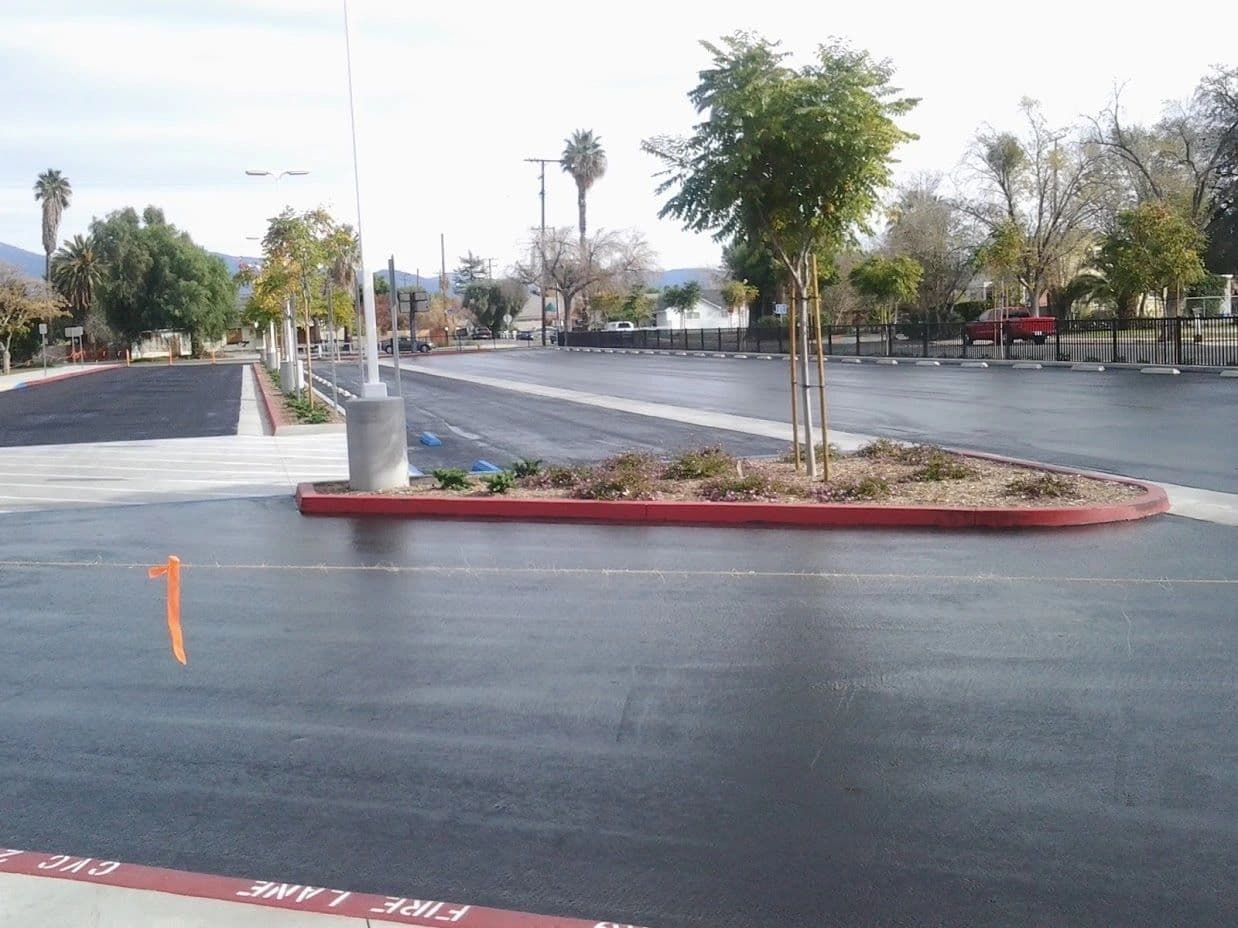
Why cracks matter
Water that gets through the surface weakens the base underneath, and a weakened base is what turns cracks into potholes. Keeping cracks filled limits that water intrusion while the pavement is still in serviceable condition.
The Federal Highway Administration treats crack sealing as a preventive treatment and crack filling of non-working cracks as routine maintenance — both part of keeping good pavement good.
When crack filling isn't enough
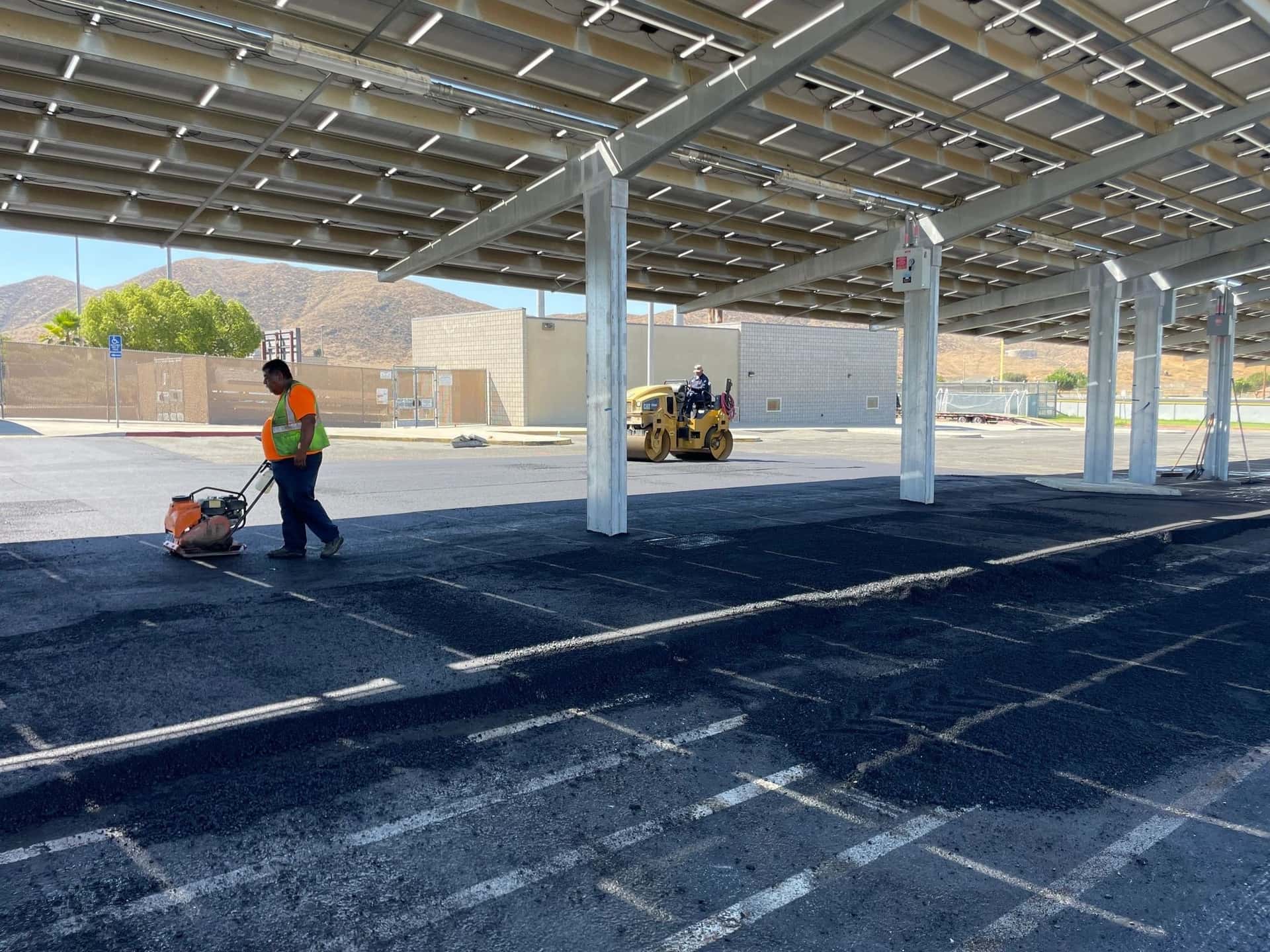
Widespread interconnected cracking (often called alligator cracking) usually signals that the base has failed. Those areas need removal and replacement rather than crack fill. Where the surface is worn overall, an overlay may be the better investment.
Questions
Crack Filling questions
Should cracks be filled before sealcoating?
Yes. Sealcoat does not fill open cracks, so crack filling normally comes first.
Can crack filling repair alligator cracking?
Generally no. Interconnected cracking usually means the base has failed, and those areas typically need removal and replacement.
S-02.2Request a quote
Talk to us about Crack Filling.
Share a few details and our estimators — who have worked extensively in the field — will follow up with an accurate, experience-based estimate.
Call
(714) 279-3995Email
admin@pgppaving.comOffice · 9:00 am – 5:00 pm
515 West Cully Drive, Orange, CA 92865